Buying and Selling Riftbound Cards: What You Need to Know
Navigating the Riftbound market as a buyer and seller. Where to find packs at fair prices, how to sell your high-value pulls, and what to do with all that bulk.
There's something I've been chasing since I was a kid — the feeling of picking up a pack of Pokemon cards from the grocery store, not knowing what was inside, and then heading to the school yard to trade and grow my collection. That magic felt effortless back then because the internet was still in its infancy. Nobody had a price guide in their pocket. Nobody was buying out shelves at 6am. It was just kids who loved cards.
That world doesn't exist anymore. The internet turned the Trading Card Game (TCG) hobby into a commodity, and there's not much we can do to bring it back. But if you know how to navigate the current landscape, you can get a lot closer to that feeling than you might think. Here's how.
Buying Sealed Product (Booster Packs and Boxes)
Where you buy matters a lot. Here's a breakdown from best to worst, roughly in order of price and experience.
Big Box Retailers (Target, Best Buy, GameStop)
When you can get them here, booster packs are $5 MSRP (Manufacturer's Suggested Retail Price). That's the best price you'll find anywhere. The problem is actually getting them.
Scalpers have figured out when distributors restock shelves, and they will be there. They're buying as many as they can carry, and they're not shy about being rude or pushy to anyone who gets in the way. You can try to learn the restock timing at your local store and grab a few yourself — it's worth trying. Just go in knowing what you're walking into, and don't let it sour your mood if the shelf is already empty.
Buying Directly From Riot
Riot sells Riftbound product directly at MSRP and has a verification process in place to keep bulk buyers out. That's the good news. The catch is that stock runs out fast and they sell in drops rather than keeping a permanent storefront.
The best way to stay on top of upcoming drops is to check riftbound.com/news, where Riot announces them ahead of time. I also announce upcoming drops on my TikTok (@ignosis_tcg) well in advance, so following along there is a good way to stay ready.
Your Local Game Store (LGS)
If you just walk in and buy packs off the shelf, your LGS will usually charge above MSRP. That's not them being greedy — they deal with scalpers harassing their staff too, and they have a business to run. It's still a better place to spend your money than a scalper, and the reasons go beyond just the price.
Where LGS really shines is their events. Here's where the real value is:
- Nexus Nights and Summoner Skirmish — Regular in-store events with a small buy-in that includes a booster pack. My local Summoner Skirmish has a $7 entry and you get a pack included. Compare that to paying $14-15 for that same pack from a scalper and the math becomes very clear. You also get to play, meet people, and sometimes win additional packs on top.
- Pre-Rift events — These are exclusive to LGS and happen before a new set releases, sometimes up to a week early. The Pre-Rift event I'm attending has a $35 entry fee that includes 5 booster packs plus a champion pack — 6 packs total for $35, which works out to around $6 per pack. That's as close to MSRP as you'll realistically get anywhere.
- Preordering booster boxes — Some LGS will let you preorder a full booster box (24 packs) for a set price. My LGS offered one for $135, which comes out to about $5.60 per pack. Another genuinely great deal that you simply can't find from scalpers.
Supporting your LGS is one of the best things you can do for the hobby and for yourself. The events are fun, the prices are fair, and the community you'll find there is worth a lot more than saving a few dollars online.
Scalpers (TCGPlayer, eBay, etc.)
Last and definitely least. If you've exhausted every other option and still can't find product at a reasonable price, buying from scalpers is technically an option. We'd really encourage you to try everything else first though. Every purchase from a scalper validates their strategy and keeps prices elevated for the entire community. The less demand they see, the less incentive they have to keep doing it.
If you do decide to buy from TCGPlayer, the homepage of this site tracks current booster pack market prices for Origins, Spiritforged, and Unleashed in real time. It's a quick way to check whether prices are close to reasonable before you commit to buying. You'll find it at the top of ignosis TCG.
Selling Your Cards
Opening packs is exciting, but you'll quickly end up with cards you don't need and some that are worth real money. Here's how to handle both.
Sell High, Buy Smart
My approach is to sell the high-value cards and use that money to buy the cheaper functional equivalents I actually need. Why spend $200 on a Nine-Tailed Fox Legend when the standard version of the same card costs $2 and plays identically? The overnumbered and alternate art versions look incredible, but if you're building to play and not to collect, the base version gets the job done just the same.
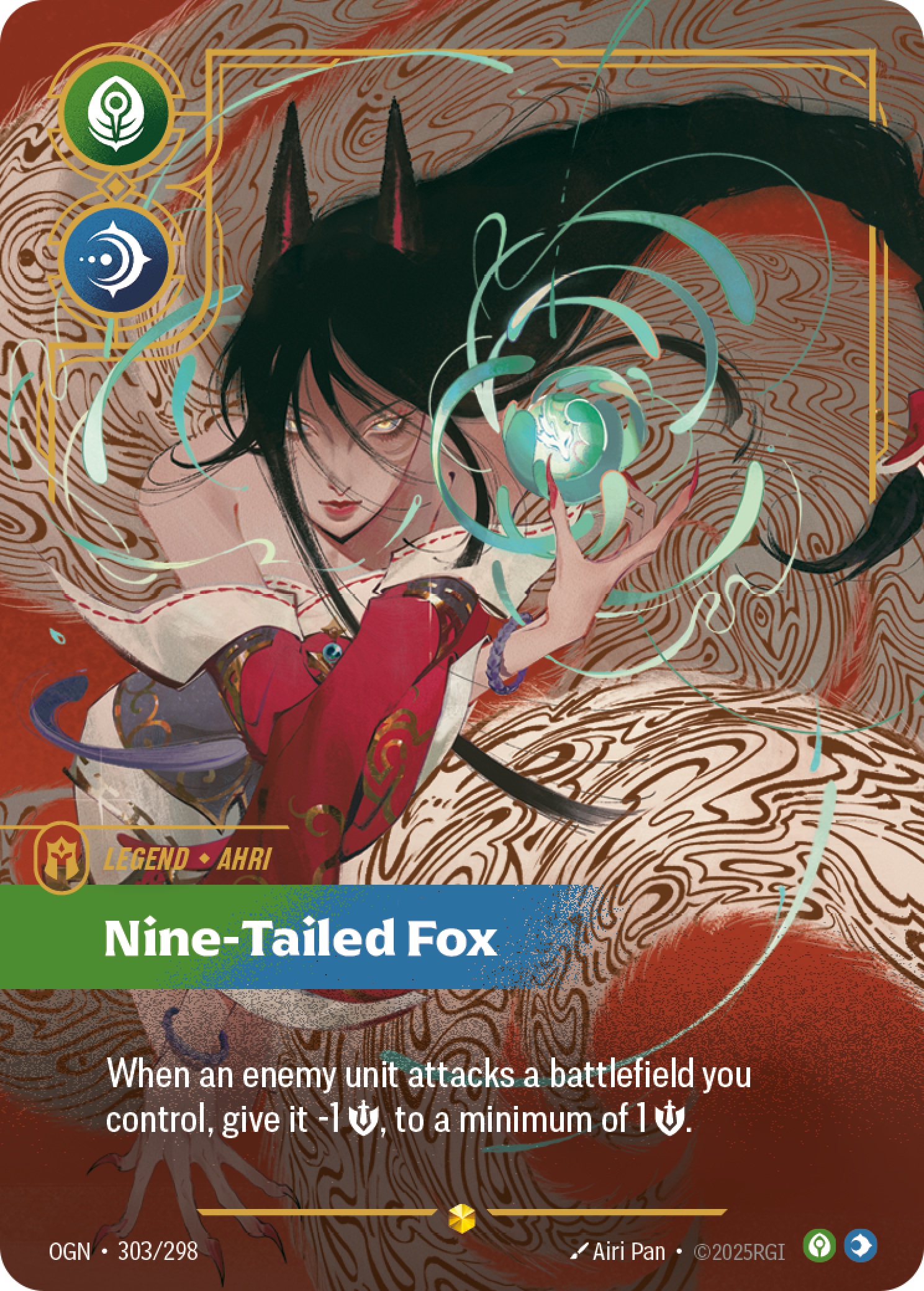
Overnumbered — ~$200
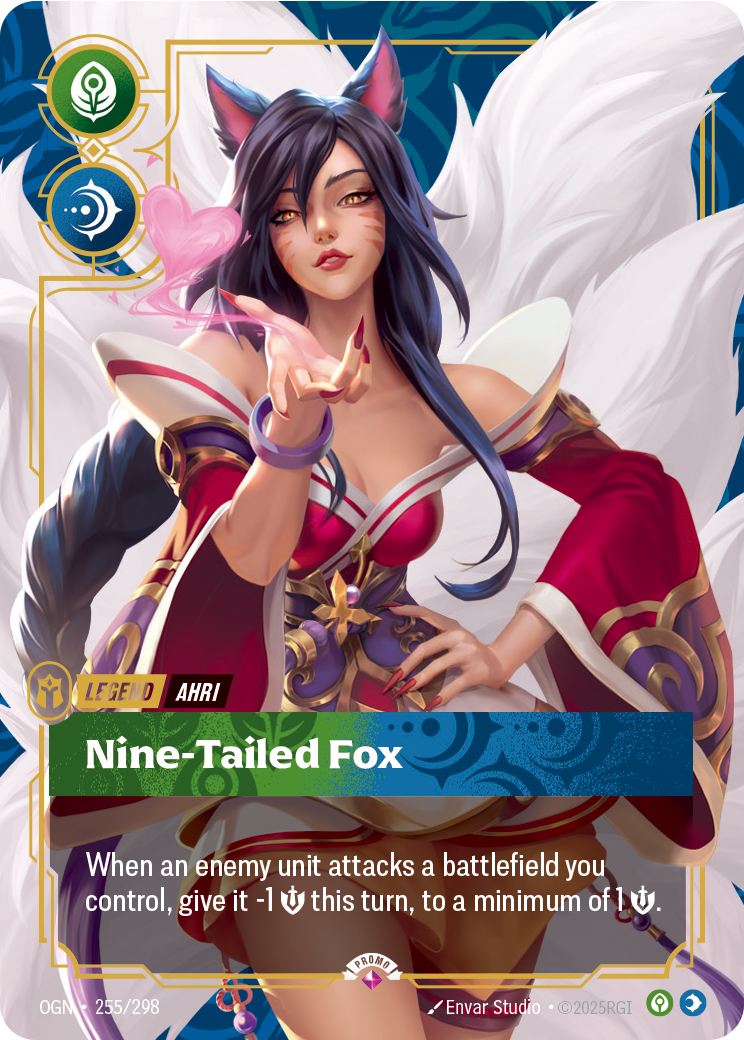
Standard — ~$2
Check Magical Meta to get a sense of what your high-value cards are worth before listing anything.
Where to Sell: eBay vs. TCGPlayer
Both platforms work well for selling Riftbound singles. I find eBay slightly easier to use overall, but both are legitimate options. A few things that apply to both:
- Always buy tracking. This is non-negotiable. eBay offers a tracking option for as little as $1, so there is genuinely no excuse to skip it. A buyer who claims they never received a card and has no tracking number to dispute will get an automatic refund from eBay — and you'll be out both the card and the money. TCGPlayer requires tracking by default, which takes that decision out of your hands.
- Buy insurance for anything over $100. Cards at that price point are worth protecting. Shipping insurance is cheap relative to the card value and saves a lot of stress if something goes wrong in transit.
- Price fairly. Check recent sold listings before setting your price. Overpriced cards just sit there, and underpriced cards leave money on the table.
What to Do With Bulk
You will end up with a lot of low-value cards. There are sites that will buy bulk from you for a few pennies per card, but in my opinion it's not worth it. Here's why I'd hold onto your bulk instead:
- The meta changes. A card worth almost nothing today can become a staple in three months when a new set shifts the format. You'll be glad you kept it.
- You can build a second deck. Once your collection grows, you can put together a spare deck from your bulk and lend it to a new player at your LGS. It's a great way to bring someone into the hobby and pay the community forward.
Quick Tips Summary
- Best pack prices: big box retail ($5) or Riot drops (MSRP with verification)
- Best consistent value: LGS events (Nexus Nights, Summoner Skirmish, Pre-Rift, preorder boxes)
- Follow riftbound.com/news and @ignosis_tcg on TikTok for drop announcements
- Sell high-value cards, buy cheap functional equivalents to stretch your budget
- Always buy tracking when selling — $1 on eBay, required on TCGPlayer
- Insure anything over $100
- Keep your bulk — the meta shifts and new players need starter decks